
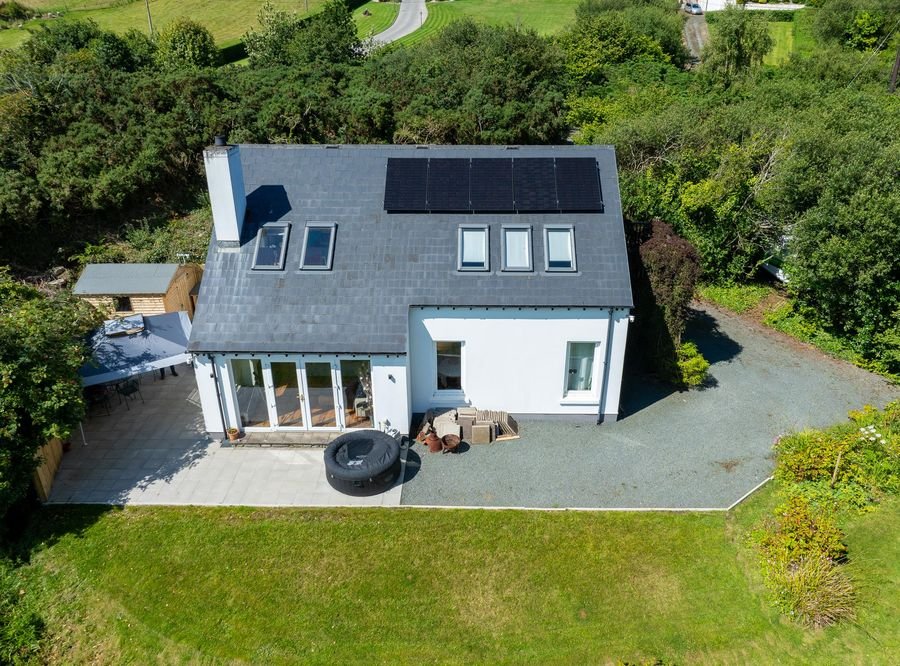
The right number of solar panels depends on how much electricity your home uses, when you use it and how much suitable roof space is available. Two homes with the same annual bill can need very different systems because their roofs, routines and future plans are not the same.
A good solar PV design starts with evidence rather than a standard package. Your electricity history, roof survey and expected changes to the home should all shape the recommendation.
There is no single number for every home
Panel count is only one part of system sizing. Panel output, inverter size, roof layout and the amount of electricity the household can use all matter. A smaller roof fitted with higher-output panels may produce a similar amount of electricity to a larger array using lower-output panels.
It is more useful to ask how much electricity the proposed system should generate across a typical year and how much of that generation the home is likely to use. The answer should balance useful production, available space and budget without filling the roof simply because space is there.
Start with a full year of electricity use
Gather at least twelve months of electricity bills if they are available. Annual consumption gives a much better starting point than a single bill because demand changes through the seasons. Winter lighting, summer holidays, home working and electric heating can all affect the pattern.
The yearly total matters, but timing matters too. Solar panels produce during daylight hours, with the strongest output generally arriving from late morning into the afternoon. A household that uses washing machines, hot water, cooking appliances or home-office equipment during the day can often use more solar electricity directly.
- This is bullet 1
- This is bullet 2
- and some other things that can be listed here
Smart-meter data can make this clearer by showing when electricity is imported. It helps the surveyor distinguish steady daytime demand from a home where most use happens after sunset.
Our client said something cool. Don’t know if this will work
| Heading right | Heading Left |
| This is some text | This is other text that is longer and weridly adjusted hey? |
| another column over here | something |
Roof space, direction and shade
The roof determines what can be installed safely and what the panels are likely to produce. A survey should record the usable roof dimensions, orientation, pitch and any obstructions such as roof windows, vents, chimneys or changes in roof level.
A south-facing roof can be excellent, but east and west roofs can also work well. Splitting panels across both sides can spread generation across more of the day, which may suit a household with morning and evening demand. The design should be based on the property rather than a simple rule about direction.
Shade from trees, neighbouring buildings or chimneys can reduce output, especially when it affects panels for long periods. The survey should identify seasonal shade and account for it in the generation estimate rather than assuming every panel receives full sun.

Match the system to when you use electricity
Solar electricity used in the home replaces electricity that would otherwise be bought from the grid. Electricity that is not used at the time can be exported, diverted to hot water or stored in a battery, depending on the system.
This does not mean the array must be sized only for the lowest daytime load. It means the expected balance between direct use, export and storage should be discussed clearly. A realistic proposal should show the reasoning behind the chosen size and not just the largest number of panels that will fit.
Plan for an EV, heat pump or battery
The right system should reflect the home you expect to have over the coming years. An electric vehicle can add significant electricity demand, especially if it is regularly charged at home. A heat pump can also change annual use and shift more demand into colder months.
Tell the surveyor about planned extensions, home working, electric heating or other changes that may increase demand. Designing only around today can leave a system undersized soon after installation.
A battery can increase the amount of solar generation used later in the day, but it should not be treated as an automatic addition. Capacity, expected charging cycles, evening demand and the cost of the battery all need to be considered alongside the array.
What a solar survey should confirm
A useful survey brings the electrical and physical information together. It should confirm the roof condition and usable area, likely panel layout, cable route, inverter location, meter and consumer-unit considerations, shading, access and any work needed before installation.
The proposal should then set out the panel count and output, estimated annual generation, equipment being supplied and the assumptions used. Estimates cannot predict the weather or every change in household behaviour, but they should give you a clear basis for comparing options.
A practical next step
Before requesting a quotation, gather a full year of electricity bills and note any planned changes such as an EV, heat pump, extension or battery. If you have smart-meter data, keep that available too.
EHP Renewables can then survey the roof and electrical setup, discuss how the home uses energy and recommend a system based on the property rather than a generic panel count.